When vision suddenly turns blurry or objects appear double, the natural reaction is to think the eye itself is damaged or needs a stronger prescription lens. However, many people are surprised to learn that clear sight requires much more than just healthy eyeballs. Our eyes act as cameras, but it is the brain that actually processes the pictures we see. If the network connecting them is disrupted, your sight will suffer.
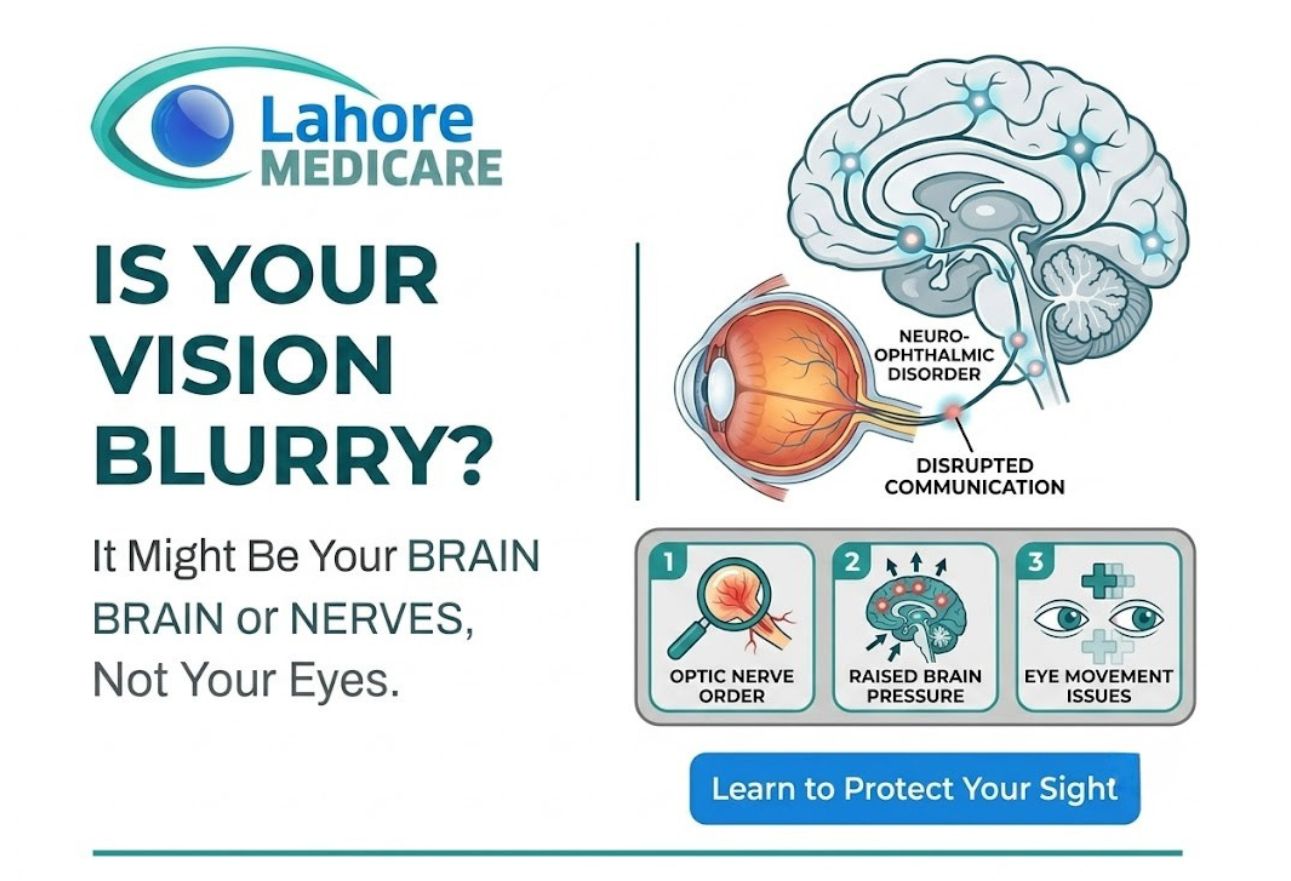
Neuro-ophthalmology are vision problems that relate to the nervous system. Vision disturbances can be caused by disorders of the optic nerve, central nervous system (brain and spine), eyeball movement and pupil abnormalities. When standard eye exams cannot find a structural defect in the front of the eye, a deeper look into the neurological pathway is usually required to uncover the true cause of the issue.
How the Brain and Eyes Communicate
To understand why neurological issues manifest as visual distortions, it helps to look at the primary transmission line. The optic nerve connects the eye to the brain and acts like an electrical cable bringing visual information from the eye to the brain for processing. This complex cable contains millions of delicate nerve fibers. If even a small section of this pathway undergoes compression or structural stress, the raw visual data becomes garbled before the brain can map it.
Because this biological network travels all the way from the front of your face to the visual cortex at the very back of the brain, any disease that changes the health of the central nervous system can easily reduce your visual clarity. When local patients face these mysterious, unexplained shifts in their sight, an evaluation by a dedicated medical group like Lahore Medicare can help pinpoint the exact location of the breakdown along the nerve pathway.
Types of Optic Nerve Disorders
When the main communication line experiences physical damage, it directly causes blurred vision, blind spots, or complete temporary vision loss. Optic nerve disorders include a variety of severe structural issues:
- Compression: Physical pressure pushing against the nerve tissue, which blocks signal transmission.
- Not enough blood supply (ischaemia): A restriction of oxygen-rich blood flow, causing rapid cellular stress.
- Inflammation (swelling): Immune-mediated swelling that degrades the speed and quality of visual impulses.
- Trauma (injury): Sudden head injuries or physical impacts that bruise or tear the nerve fibers.
- Raised pressure in the brain: An increase in internal skull pressure that physically presses against the back of the eye.
- Raised pressure in the eye (glaucoma): High intraocular fluid pressure that gradually deteriorates the vulnerable nerve base.
Understanding Eye Movement Disorders
Sometimes the optic nerve transmits signals perfectly, but the brain cannot coordinate the physical alignment of the eyes. For the brain to create a single, clear three-dimensional image, both eyes must track together with flawless precision. When the control signals misfire, patients experience double vision, dizziness, and a loss of spatial awareness.
Eye movement disorders can develop from multiple structural areas:
- Diseases of the orbit cause restricted movement by physically trapping or tightening the tissue inside the eye socket.
- Diseases affecting the nerves to the muscles cause weakness, leaving the fine motor muscles without the electrical stimulus needed to move.
- Diseases can affect the transmission (sending) of signals between the nerve and muscle, causing severe communication delays even if the nerve is intact.
- Diseases can affect the muscle directly, making the tissue too stiff or weak to pull the eye smoothly into position.
- Diseases can affect the parts of the brain that control movement, disrupting the high-level calculations needed to keep both eyes perfectly synchronized.
Primary Causes of Neuro-Ophthalmic Issues
The causes of neuro-ophthalmology disorders depend on the type of condition and the specific part of the nervous system experiencing stress. Because these conditions sit at the intersection of neurology and eye health, their underlying triggers are highly varied.
For example, nerve compression may be caused by a tumour or an expanding vascular abnormality pressing against the optical pathway. On the other hand, a reduced blood supply to the nerve tissue may be caused by hypertension, diabetes, hyperlipidaemia or smoking. These metabolic risks slowly narrow and damage the microscopic blood vessels that keep the nerve alive.
Furthermore, acute inflammation (swelling) is often related to diseases that can affect other parts of the body, like connective tissue disease and multiple sclerosis. In these chronic conditions, the body’s own immune system attacks the protective sheath surrounding the nerves, resulting in scrambled visual signals and sudden bouts of blurred vision.
Navigating Diagnosis and Clinical Treatment
Because neurological vision conditions frequently present as standard blurry vision or simple eye strain, they can easily be misdiagnosed in their early stages. A thorough, highly specialized assessment is required to evaluate pupil responses, peripheral fields, and synchronized eye movements accurately.
If you or a loved one are experiencing persistent tracking issues, unexplained blind spots, or sudden double vision, seeking specialized neuro-ophthalmology diagnosis and care in Lahore is an essential step to protect your long-term wellness. Early clinical mapping is key to halting progressive nerve damage.
Through modern, target-driven advanced eye treatment procedures, specialists can work to relieve intracranial pressure, control systemic inflammation, and restore proper nerve blood supply. Identifying the root cause early allows patients to protect their visual pathways and preserve their functional independence.
Frequently Asked Questions
Can a problem in the brain cause blurred vision?
Yes. Since the brain processes all visual information, any neurological issue like inflammation, a tumor, or high intracranial pressure can disrupt the visual pathway and cause significant, unexplained blurriness.
What is the function of the optic nerve?
The optic nerve connects the eye to the brain and acts like an electrical cable bringing visual information from the eye to the brain for processing. Damage to this cable stops images from reaching the brain.
How does diabetes cause an optic nerve disorder?
Diabetes damages small blood vessels throughout the body. This can lead to ischaemia, meaning there is not enough blood supply reaching the optic nerve, which causes sudden and severe vision disturbances.
What causes eye movement disorders?
These tracking issues can be caused by orbital diseases, muscle weakness, damaged motor nerves, faulty signal transmission between the nerve and muscle, or damage to the specific brain centers that control eye coordination.
Why does multiple sclerosis affect a person’s eyesight?
Multiple sclerosis causes the immune system to attack nerve coatings. This frequently leads to inflammation and swelling of the optic nerve, resulting in painful eye movements and temporary blurred or dimmed vision.
Can smoking lead to serious neurological vision loss?
Yes. Smoking damages your cardiovascular system and worsens hypertension and hyperlipidaemia. This reduces the vital blood supply to your optic nerve, increasing the risk of permanent ischemic nerve damage.
What happens when there is raised pressure in the brain?
Increased pressure inside the skull pushes directly against the optic nerve head. This can cause optic disc swelling, leading to temporary vision blackouts, double vision, and chronic headaches.
How does a tumor cause neuro-ophthalmic symptoms?
An intracranial tumor can physically press against the visual pathways. This chronic compression blocks the normal flow of electrical signals from the retina, creating progressive blind spots.
Can double vision be corrected if it stems from a nerve issue?
Yes. Treatments include using specialized prism lenses to realign images, vision therapy for muscle coordination, or treating the underlying neurological condition that is causing the nerve pathway to misfire.
When should I see a specialist for a nervous system vision issue?
You should seek immediate medical attention if you experience sudden vision loss, double vision, unequal pupil sizes, or visual disturbances paired with severe headaches, dizziness, or a loss of balance