Planning for the health of a future family involves exploring many branches of preventative medicine. While most prospective parents focus heavily on nutrition, lifestyle adjustments, and routine physical evaluations, understanding the role of genetics is equally vital. Many serious physical conditions, including congenital optical conditions that cause severe low vision, are passed down quietly through generations without showing any obvious warning signs. Gaining clarity on how these traits travel from parents to children empowers families to make deeply informed, proactive choices long before pregnancy begins.
The Reality of Being a Genetic Carrier
A widespread misconception about hereditary disorders is that they only manifest in families with a long, visible history of chronic disease. In clinical reality, the molecular map of human inheritance is far more complex. It is normal to be a carrier for a handful of genetic disease without it impacting your daily life. In fact, most individuals are carriers for genetic disease despite no history of disease within their family. Because carriers possess a balancing, healthy gene variation, they typically live their entire lives with perfect structural health and normal visual function.
What is important to know, is if you are your partner or future spouse are carriers for the same genetic disease. When two people are carriers of the same disease, they can unknowingly have a child that is affected by a genetic condition. Learning about which genetic disease you are a carrier for before pregnancy allows you to take steps to plan for your future family. This early baseline knowledge transforms genetic mapping from a reactive diagnostic necessity into a powerful tool for family protection.
The Dynamics of Autosomal Recessive Inheritance
The biological rules governing how a trait passes to subsequent generations depend entirely on the specific layout of the affected genes. Genetic diseases differ in the way that they can be inherited. Carrier screening is performed for genetic diseases that are inherited in an Autosomal Recessive or X-linked manner. Your chance of passing on a condition to your child depends on your carrier status, the carrier status of your partner as well as the mode of inheritance for each specific disease.
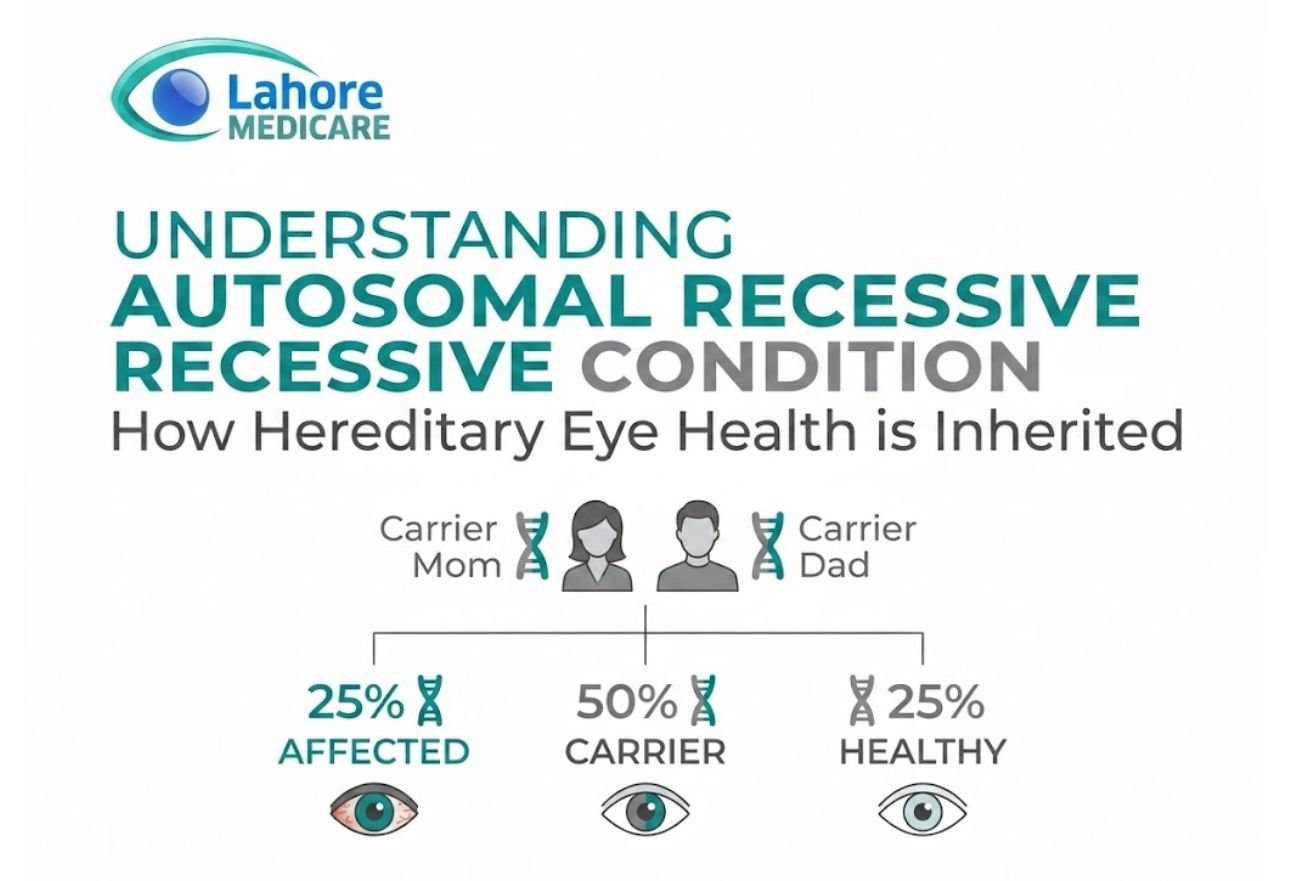
The majority of the conditions included in Carrier Screening are inherited in an autosomal recessive pattern. This means that the disease is equally found in males and females and that it must be inherited from both parents in order for future generations to be affected. An individual that is a carrier of an autosomal recessive disease inherited one disease-causing copy of the gene and one health copy of the gene from their parents.
When two individuals are carriers for the exact same autosomal recessive disease, their reproductive risk profile shifts significantly. In this specific scenario, they have a 25% chance of both passing on a disease-causing copy of the gene to their child, resulting in a full manifestation of the disorder. Conversely, there is a 50% chance the child will inherit just one mutated gene and become a completely healthy carrier, and a 25% chance the child will inherit two healthy copies.
Statistical Breakdown: When both parents carry the same autosomal recessive mutation, every single pregnancy carries an independent 25% probability of producing an affected child, regardless of whether previous children inherited the condition.
Understanding X-Linked Genetic Transmission
Beyond standard autosomal pathways, certain hereditary variations are bound directly to the chromosomes that determine biological sex. These are categorized as X-linked conditions, and they follow an entirely separate set of parental transmission rules.
X-linked conditions are inherited exclusively from mother to child and are more often seen in males than in females. X-linked diseases are caused by mutations found on the X chromosome. Because males (XY) only have one X chromosome, if they inherit a disease-causing copy of the X chromosome from their mothers, they are more greatly affected than females (XX). This is because males (XY) receive no compensation for the affected traits from another X chromosome.
In order for a male to be affected by an X-linked condition, they must receive only one disease-causing copy. If the female partner is a carrier of an X-linked genetic disease, the couple’s chance of having an affected male child is 50%. Understanding these uneven probabilities is crucial for families navigating congenital health risks.
The Role of Screening in Preserving Visual and Systemic Health
Because early genetic shifts are entirely invisible, relying on basic physical examinations cannot reveal underlying carrier statuses. Advanced laboratory screenings are required to isolate these traits before they can impact subsequent generations. This level of comprehensive screening is especially vital for preventing severe developmental conditions that can restrict a child’s visual path early in life.
For families seeking a deeper understanding of progressive traits or managing severe structural vision loss, consulting specialized eye health providers like Lahore Medicare offers access to essential clinical clarity. Diagnostic tracking helps identify if a child’s low vision stems from an inherited pathway or an external developmental block.
When a hereditary trait is identified early, utilizing the advanced diagnostic Procedures of treatment available today ensures that any resulting physical symptoms are managed from the earliest possible stage. Furthermore, families dealing with complex structural issues can access targeted eye diseases treatment in lahore to optimize functional vision, stabilize visual pathways, and provide affected children with the best framework for navigating their environment safely and independently.
Frequently Asked Questions
What does it mean to be a carrier of a genetic condition?
Being a carrier means you hold one mutated copy of a gene and one healthy copy. The healthy copy compensates perfectly, meaning you will show no symptoms of the disease and can live your entire life without any functional health issues.
How do two healthy parents pass down an autosomal recessive disease?
If both parents are healthy carriers of the exact same autosomal recessive condition, they each pass down a mutated gene. There is a 25% statistical chance in every pregnancy that the child will inherit both mutated copies and develop the disease.
Why are males more frequently affected by X-linked conditions?
Males have an XY chromosome pair, meaning they only possess a single X chromosome. If that X chromosome holds a genetic mutation, they do not have a second X chromosome to compensate for the trait, causing the condition to manifest fully.
Can an autosomal recessive disease affect males and females differently?
No. Autosomal recessive traits are located on non-sex chromosomes (autosomes). Because of this structural layout, these conditions are distributed equally and develop with the same severity in both males and biological females.
What is the statistical risk for an X-linked carrier mother?
If a biological mother is a carrier for an X-linked genetic condition, there is a 50% chance that any male child she gives birth to will inherit the mutated X chromosome and be fully affected by the underlying condition.
Can carrier screening prevent genetic diseases from occurring?
Screening cannot alter your DNA, but it identifies potential risks before pregnancy. This vital data allows couples to work with medical experts to plan their family future using advanced reproductive strategies and early interventions.
Are most people carriers for some form of genetic condition?
Yes. Modern genetic research shows that the vast majority of healthy individuals are carriers for a handful of recessive genetic conditions, even if there is absolutely no known history of the disease anywhere in their family tree.
How does an autosomal recessive condition relate to low vision?
Many congenital visual impairments, such as certain forms of retinal dystrophy or optic atrophy, are inherited through autosomal recessive pathways. If a child inherits both mutated genes, it can result in severe low vision from birth.
What happens if only one parent is a carrier of a recessive gene?
If only one parent carries an autosomal recessive mutation, there is a 0% chance the child will manifest the disease. However, there remains a 50% chance the child will inherit that single mutated copy and become a healthy carrier.
When is the most ideal time to undergo carrier screening?
The most ideal time to complete carrier screening is prior to conception or early in the family planning stages. This timeline gives couples the maximum amount of time to review their genetic profiles and consult with healthcare providers.