
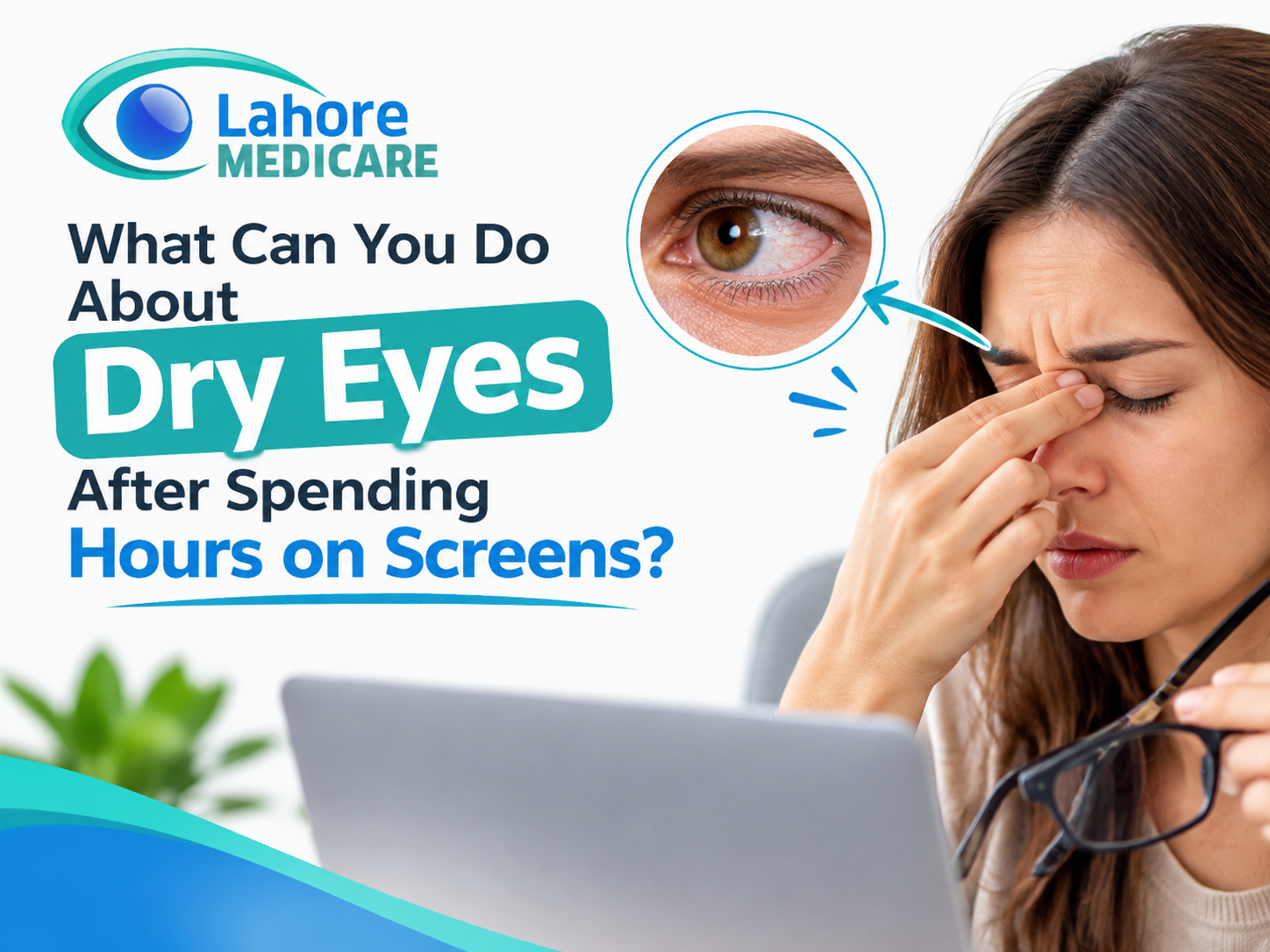
In today’s digital world, whether you are a university student preparing for exams, a remote software developer, or an office professional in Pakistan working long shifts, laptops and smartphones have become central to daily life. However, staring at displays for six, eight, or even twelve hours a day often leaves your eyes feeling irritated, gritty, and tired. Experiencing dry eyes from screen time is one of the most common complaints among regular technology users today. While this discomfort can disrupt your concentration and productivity, understanding why it happens and adopting simple, healthy habits can restore comfort to your daily routine without hassle.
Why Do Screens Cause Dry Eyes and Digital Eye Strain?
To manage eye discomfort effectively, it helps to understand what takes place when we focus on digital displays. When you engage in intense screen tasks, such as reading documents, editing code, or browsing online, your visual focus intensifies, leading to subconscious physical changes in how your eyes behave.
Reduced Blink Rate and Incomplete Blinks
Under normal conditions, a human blinks roughly 15 to 20 times per minute. Blinking is the body’s natural way of spreading a fresh layer of tears across the surface of the cornea, keeping it moist, clear, and nourished. However, studies show that when people look at computer screens or mobile phones, their blink rate drops by more than half. Furthermore, many of these blinks become incomplete, meaning the eyelids do not close fully. As a result, the tear film evaporates much faster than it can be replenished, leaving the surface exposed to air and causing irritation.
Blue Light Exposure and Overhead Glare
Modern monitors emit high-energy visible light, commonly known as blue light, along with harsh screen glare. When screen brightness does not match the ambient room lighting—such as using a bright display in a dark room your eye muscles must work significantly harder to focus. Over time, this constant focusing effort contributes to general fatigue and computer vision syndrome, which compounds the sensation of dryness and strain.
Environmental Factors in Homes and Offices
The environment surrounding your workspace plays a major role in eye hydration. In many modern Pakistani homes and workplaces, air conditioning during summer months or electric heaters during winter reduce room humidity. Direct airflow from fans or AC vents directed toward your face speeds up tear evaporation. Combining low indoor humidity with extended screen focus creates the ideal conditions for persistent ocular dryness.
Recognizing Common Computer Vision Syndrome Symptoms
Digital eye strain manifests through a combination of physical sensations. Recognizing these early signs allows you to adjust your routine before mild discomfort turns into prolonged irritation. Most individuals dealing with screen-induced dryness report:
- A gritty or scratchy feeling, as if dust or sand is trapped under the eyelids.
- Burning or stinging sensations when trying to focus on fine text.
- Mild redness, watery eyes (which is actually a reflex reaction to surface dryness), and heavy eyelids.
- Fluctuating or blurry vision that improves temporarily after blinking.
- Dull headaches around the temples or above the eyebrows following long study or work sessions.
At Lahore Medicare, we believe that promoting health awareness and preventative care empowers individuals to manage everyday wellness concerns with confidence and ease. Understanding different eye diseases and their early warning signs helps you distinguish between temporary fatigue and conditions that require clinical attention.
Effective Daily Habits to Relieve Dry Eyes at Work or Home
Fortunately, relieving digital eye strain does not require complex lifestyle overhauls. Making small, consistent adjustments to your daily work habits can produce noticeable relief within just a few days.
Follow the 20-20-20 Rule Religiously
One of the simplest yet most effective habits for screen users is the 20-20-20 rule. Every 20 minutes, take a brief 20-second break and look at an object located at least 20 feet away. This brief pause allows the focusing muscles inside your eyes to relax completely and encourages full, natural blinks that redistribute the tear film evenly across the cornea.
Optimize Your Workstation Setup and Lighting
Position your monitor so that the top line of text is slightly below eye level, approximately 20 to 24 inches away from your face. Looking slightly downward reduces the surface area of the eye exposed to ambient air, slowing tear evaporation. Additionally, ensure your office lighting is balanced—avoid positioning screens directly in front of unshaded windows or under harsh overhead bulbs that create reflections.
Practice Conscious Blinking and Eye Exercises
When working on high-concentration tasks, make a conscious effort to perform deep, slow blinks every few minutes. Pause for a second with your eyes fully closed to allow tear glands to coat the corneal surface. You can also splash cool, clean water on your face during prayer or washroom breaks to refresh your eye area naturally.
Practical Medical and Over-the-Counter Solutions
Along with behavioral adjustments, gentle over-the-counter remedies provide quick, safe, and effective comfort for dry eyes.
Lubricating Eye Drops and Artificial Tears
Preservative-free lubricating eye drops, commonly referred to as artificial tears, mimic natural tears to supplement tear volume and soothe surface inflammation. Using eye drops two to four times a day helps maintain moisture levels during intense screen sessions. It is best to select lubricating formulas rather than anti-redness drops, as anti-redness solutions can cause rebound redness with frequent use.
Warm Compresses and Eyelid Hygiene
Applying a warm compress over closed eyelids for 5 to 10 minutes in the evening helps unclog the meibomian glands located along the eyelid margins. These glands produce the oily layer of your tear film that prevents rapid evaporation. Exploring curated online health and wellness can help you find suitable eye care accessories, humidifiers, and hygiene kits to enhance your home wellness setup.
When Should You Seek Professional Eye Care?
While screen-related dry eyes respond very well to lifestyle modifications and lubricating drops, persistent symptoms should not be ignored. If you experience severe eye discomfort, continuous redness, or blurred vision that does not resolve after resting, a comprehensive checkup is recommended.
In cases where basic eye drops do not bring comfort, exploring specialized diagnostic and non-invasive clinical procedures can help identify underlying tear film deficiencies. Our dedicated ophthalmology team provides thorough evaluations to ensure your vision remains clear and healthy.
To learn more about our facility, patient care philosophy, and vision standards, read about us or get in touch directly with our medical support team to ask any questions or book a consultation.
Frequently Asked Questions
What is the main cause of dry eyes while using screens?
Looking at digital screens lowers your natural blink rate by up to 60 percent. Fewer full blinks cause your natural tear film to evaporate rapidly, leaving the front surface of the eye dry, exposed, and irritated.
How do lubricating eye drops help screen users?
Lubricating eye drops, also known as artificial tears, replenish moisture on the corneal surface. They immediately soothe burning sensations and rebuild the protective tear layer during long study or office hours.
Can blue light glasses prevent dry eyes from screen time?
Blue light glasses help reduce screen glare and visual fatigue, but they do not directly cure dry eyes. Practicing regular blinking and taking frequent screen breaks remain necessary for tear hydration.
Is it normal for dry eyes to produce excess watery tears?
Yes, excessive watering is a natural reflex. When your eyes become irritated and dry, your brain signals the lacrimal glands to produce a sudden surge of watery tears to protect the delicate corneal surface.
What is the 20-20-20 rule for digital eye strain?
The 20-20-20 rule advises taking a break every 20 minutes by looking at an object 20 feet away for at least 20 seconds. This simple habit relaxes eye muscles and encourages essential natural blinks.
How does indoor air conditioning make dry eyes worse?
Air conditioners lower indoor humidity and circulate dry air continuously. Direct airflow speeds up tear evaporation from your eyes, significantly worsening dryness during extended computer work in offices.
Are anti-redness eye drops safe for daily dry eye relief?
Anti-redness drops are not recommended for routine dry eye relief because they constrict blood vessels and can cause rebound redness over time. Stick to preservative-free lubricating eye drops instead.
How does screen position affect eye comfort?
Positioning your monitor slightly below eye level reduces the eyelid opening, exposing less eye surface to ambient air. This minor adjustment slows tear evaporation and reduces neck strain.
Can warm compresses help soothe dry eyes at night?
Yes, applying a warm compress over closed eyelids melts clogged oils in the meibomian glands. This improves natural tear quality and prevents rapid tear film evaporation while you rest at night.
When should I consult a doctor for dry eyes?
You should consult an eye care specialist if you experience severe ocular pain, persistent redness, discharge, or blurred vision that does not improve after resting your eyes and using lubricating drops.