Protecting your eyesight requires understanding how internal structural changes can permanently alter your vision before you even realize a problem exists. Among various optical conditions, glaucoma stands out as a particularly challenging diagnosis because its initial progression occurs entirely out of sight. Many individuals assume that an eye condition will announce itself through sudden pain, redness, or immediate blurry patches. With glaucoma, however, the reality is far more subtle, making early awareness and localized clinical screenings the absolute bedrock of long-term sight preservation.
The Underlying Mechanics of Eye Pressure and Fluid Drainage
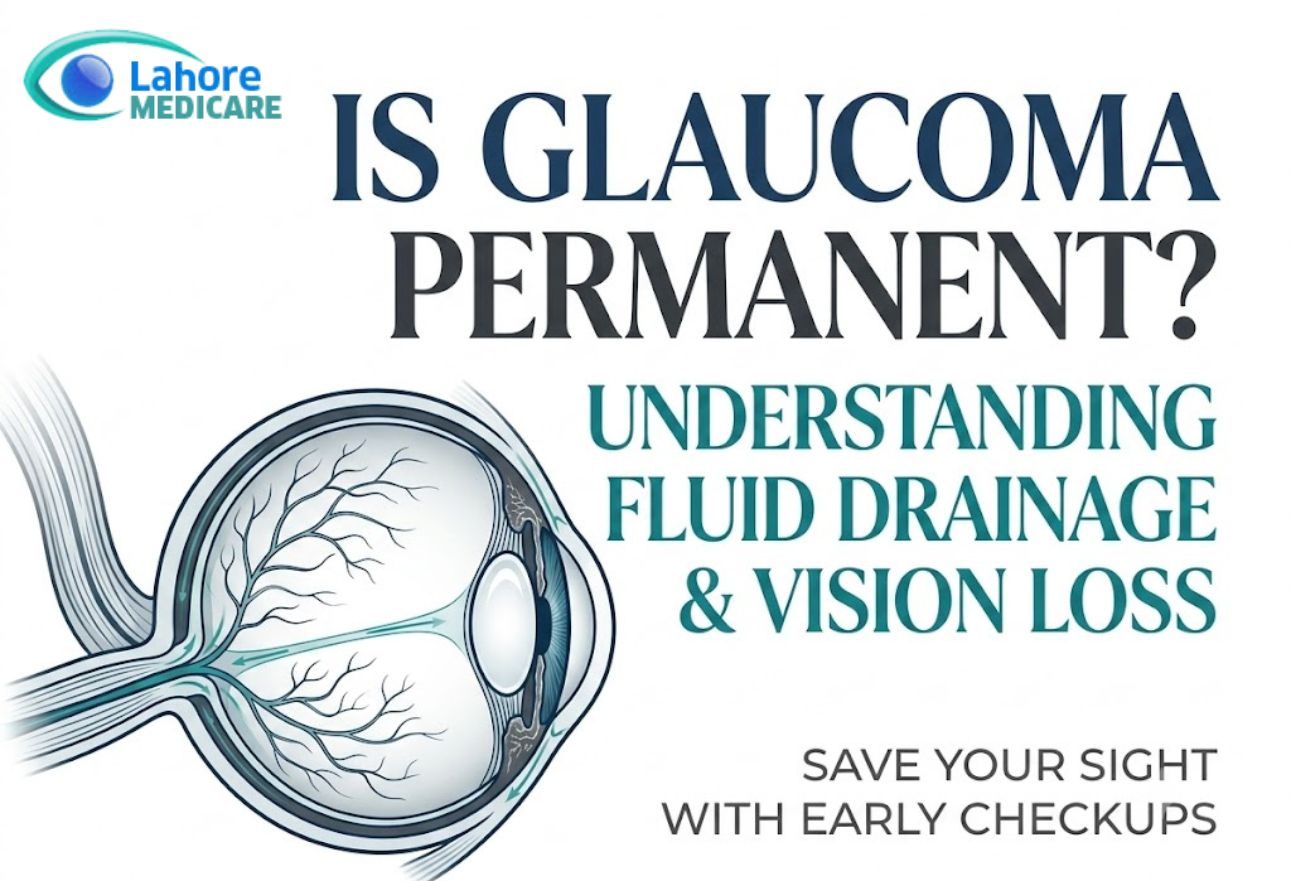
To understand why this condition develops, it helps to look at how the eye maintains its shape and internal health. Your eyes constantly produce a clear, nourishing fluid that must circulate and exit through a microscopic drainage system. Glaucoma is a group of conditions caused by normal fluid in the eye that hasn’t drained properly. When the exit pathways become restricted or completely blocked, the fluid continues to accumulate inside the eye’s chambers.
This fluid accumulation creates pressure that damages the optic nerve connecting the eye to the brain, resulting in sight loss. The optic nerve acts like a vast bundle of delicate electrical wires, sending visual information to your brain. When intraocular pressure (the fluid pressure inside the eye) rises beyond what these nerve fibers can tolerate, the fibers begin to degrade. Because this nerve tissue lacks the ability to regenerate, any visual field loss that occurs as a result of this pressure buildup is irreversible.
The Medical Reality: Glaucoma cannot be cured, and vision that has already been lost cannot be restored. However, further sight loss can be prevented via medication or surgery.
Why Glaucoma is Often Called the Silent Thief of Sight
The most dangerous aspect of this condition is its deceptive timeline. The condition can be difficult to diagnose because symptoms don’t appear straight away – instead, they develop slowly over many years. In the most common form of the disease, the loss of vision begins at the absolute outer edges of your peripheral view. Because our eyes naturally work together to overlap our visual fields, the brain easily compensates for minor blind spots, masking the early warning signs.
Consequently, many patients only seek treatment when they notice they’re losing their sight, when significant damage has already occurred. By the time a patient notices a “tunnel vision” effect or struggles to see objects in their peripheral boundaries, the underlying nerve fibers have already suffered extensive depletion. This delay highlights why regular eye assessments are so vital. Securing an early, accurate diagnostic checkup through a dedicated provider like Lahore Medicare remains the most effective defense against unnoticeable, progressive nerve changes.
Identifying Key Risk Factors and Variations
Although it’s not clear exactly why the drainage channels fail to function properly over time, medical data shows that certain populations face a significantly higher probability of developing the condition. Factors such as age, family history, racial background and other medical conditions such as diabetes and short-sightedness can increase the risk. While the disease can affect people of all ages, it’s most common in adults.
Furthermore, there are different types of glaucoma, and treatment will depend on the type a patient has. Some individuals experience open-angle versions where the drainage pathways slow down gradually over decades. Others may face acute angle-closure variations, where the drainage angle shuts down completely in a matter of hours, causing rapid pressure spikes, severe eye pain, and immediate haziness. Because each variation requires a distinct clinical path, receiving an individualized evaluation for specialized Glaucoma Treatment in lahore ensures that your specific risk profile and eye structure are managed safely.
Navigating Lifelong Management and Protective Procedures
Because the structural shifts within the eye are permanent, managing the disease requires a commitment to consistent, proactive care. Each glaucoma patient requires lifelong management for best results. The primary goal of any medical intervention is not to reverse existing nerve adjustments, but to lower internal fluid pressure to a safe, stable baseline that prevents any future damage from occurring.
| Management Approach | Primary Function | Ideal For |
| Medicated Eye Drops | Reduce fluid production or improve drainage outflow | Early-stage management |
| Laser Procedures | Clear structural blockages in drainage pathways | Moderate or non-compliant cases |
| Surgical Interventions | Create an entirely new drainage channel for fluid | Advanced or stubborn pressure |
Yet the challenge is that patients often don’t seek treatment for glaucoma until it is too late to save their sight. This is why international health organizations are working with partners in Africa to introduce pilot programmes to prevent and treat glaucoma in underserved regions. Locally, the aim is to make sure glaucoma is diagnosed and treated as part of local eye health services, to ensure patients’ sight can be saved. Exploring modern Procedures of treatment For Glaucoma patients can help stabilize internal fluid dynamics, preserving your remaining field of view and keeping your visual independence intact for the future.
Frequently Asked Questions
Is vision loss from glaucoma permanent?
Yes, vision loss caused by glaucoma is permanent. The condition damages the optic nerve fibers, which cannot regenerate or repair themselves. Treatment focuses entirely on stopping further damage.
How does fluid buildup cause glaucoma?
When normal eye fluid does not drain properly, it accumulates inside the eye chambers. This accumulation creates internal pressure that presses against and damages the sensitive optic nerve.
Why are there no early symptoms of glaucoma?
Glaucoma develops slowly over many years and typically damages the outer peripheral vision first. Because the changes are so gradual, the brain adapts, leaving patients unaware of the loss.
Can young people develop eye pressure issues?
While glaucoma is most common in older adults, it can affect people of all ages, including infants and young adults, due to congenital structural issues or secondary medical conditions.
What are the main risk factors for glaucoma?
Key risk factors include an advanced age, a direct family history of the condition, specific racial backgrounds, short-sightedness, and systemic health conditions like diabetes.
Can glaucoma be completely cured with surgery?
No, glaucoma cannot be cured. Medications, lasers, and surgical options are designed solely to improve fluid drainage and lower eye pressure to prevent additional vision loss.
What does lifelong management mean for a patient?
Lifelong management means a patient must use daily prescribed eye drops or undergo periodic clinical reviews and pressure checks for the rest of their life to keep eye pressure stable.
How does diabetes increase your glaucoma risk?
Diabetes affects systemic blood circulation and can lead to the growth of abnormal, unwanted blood vessels in the eye’s drainage angle, blocking natural fluid outflow pathways.
What is the difference between open-angle and acute glaucoma?
Open-angle glaucoma develops slowly and painlessly over decades as drainage pathways clog. Acute glaucoma happens suddenly when drainage angles block completely, causing rapid pain and blurriness.
How often should I get tested if it runs in my family?
If you have a known family history of glaucoma, it is highly recommended to get a comprehensive dilated eye exam and pressure check at least once a year to catch changes early.