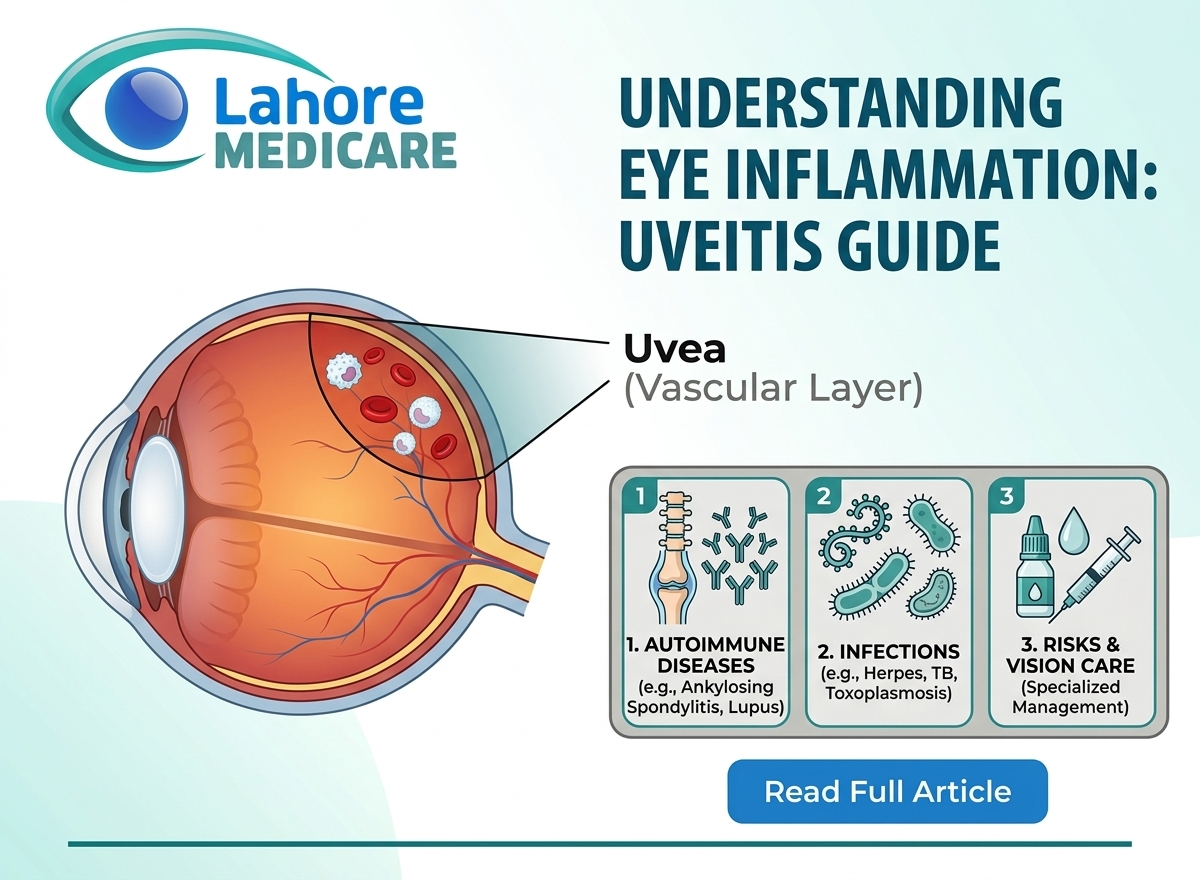
Uveitis is a broad medical term used to describe inflammation affecting the middle layer of the eye wall, known as the uvea. Positioned between the outer fibrous sclera and the inner sensory retina, the uvea contains a dense network of blood vessels responsible for supplying oxygen and nutrients to critical intraocular structures. When this vascular layer becomes inflamed, white blood cells and inflammatory fluids leak into the interior chambers of the eye.
Because intraocular inflammation directly impacts fragile ocular tissues, understanding what triggers uveitis and recognizing its potential long-term complications is essential for protecting permanent visual function.
Primary Causes of Uveitis
Inflammation of the uveal tract can stem from a wide range of localized and systemic triggers. Ophthalmologists generally categorize the underlying causes into three primary mechanisms:
1. Autoimmune and Inflammatory Diseases
In a significant percentage of cases, uveitis develops when an overactive immune system mistakenly targets healthy tissues within the eye. Systemic conditions frequently associated with uveitis include:
- Ankylosing Spondylitis: A chronic inflammatory arthritis affecting the spine that often causes acute anterior uveitis.
- Sarcoidosis: A systemic inflammatory disease characterized by microscopic inflammatory nodules (granulomas).
- Rheumatoid Arthritis and Lupus: Systemic connective tissue disorders that trigger recurring ocular surface and intraocular inflammation.
- Inflammatory Bowel Disease (IBD): Conditions such as Crohn’s disease and ulcerative colitis can present with secondary intraocular inflammation.
2. Infectious Pathogens
Viral, bacterial, fungal, or parasitic infections can cross systemic barriers and establish inflammation within the eye. Common infectious agents include herpes simplex, varicella-zoster (shingles), tuberculosis, toxoplasmosis, syphilis, and Lyme disease.
3. Trauma, Surgery, or Idiopathic Causes
Physical injury to the eyeball, blunt force trauma, or chemical burns can incite severe inflammatory responses. Uveitis can also occur as an uncommon complication following intraocular surgery. When an extensive medical workup fails to identify a specific systemic or infectious trigger, the condition is classified as idiopathic uveitis.
Risk Factors and Susceptible Populations
While uveitis can affect individuals of any age, including young children, certain clinical risk factors increase susceptibility:
- Age Range: The condition is most commonly diagnosed in adults between 20 and 50 years of age.
- Genetic Predisposition: Individuals carrying specific genetic markers, such as the HLA-B27 gene, have a significantly elevated risk of developing recurrent anterior uveitis.
- Smoking: Tobacco use is a well-established environmental risk factor that increases the severity and recurrence rate of intraocular inflammation.
- Underlying Autoimmune Health: Having a diagnosed autoimmune or systemic inflammatory condition substantially raises the likelihood of eye involvement.
Potential Complications of Untreated Eye Inflammation
Chronic or inadequately managed uveitis can lead to irreversible structural damage within the eye. Secondary ocular complications include:
- Secondary Glaucoma: Inflammatory debris or scar tissue can block the eye’s natural drainage angles, causing intraocular pressure to rise sharply and damage the optic nerve.
- Cataracts: Prolonged intraocular inflammation—or long-term reliance on high-dose corticosteroid treatments—can cause the natural lens to become cloudy.
- Cystoid Macular Edema (CME): Swelling and fluid accumulation in the macula (the central focus area of the retina) can severely distort central visual acuity.
- Retinal Detachment or Vitreous Hemorrhage: Severe posterior inflammation can create tractional scar tissue that pulls the retina away from the back of the eye or breaks fragile blood vessels.
Receiving a comprehensive diagnostic evaluation at a specialized facility like Lahore Medicare helps identify the exact anatomical site of inflammation and prevent secondary damage.
Medical Management and Vision Care
Effective management of uveitis requires a dual approach: suppressing intraocular inflammation rapidly and identifying any underlying systemic disease.
- Anti-Inflammatory Therapies: Corticosteroid eye drops, oral medications, periocular injections, or intraocular implants serve as the primary line of treatment to control acute swelling.
- Targeted Anti-Infective Medications: If an active infection is identified, specific antiviral, antibiotic, or antifungal agents are co-administered to eradicate the root pathogen.
- Immunomodulatory Therapy: For patients with recurrent or non-infectious chronic uveitis, steroid-sparing immunosuppressive agents or biologic therapies are prescribed to maintain long-term remission.
For individuals suffering from chronic inflammatory flare-ups, obtaining specialized care for complex eye inflammation and diseases ensures targeted therapeutic monitoring. When secondary complications such as secondary glaucoma or dense cataracts develop, utilizing advanced ophthalmic procedures helps restore optical clarity and protect structural integrity.
Frequently Asked Questions
What are the primary causes of uveitis?
Uveitis is primarily caused by autoimmune diseases (such as ankylosing spondylitis or sarcoidosis), infections (such as herpes or toxoplasmosis), ocular trauma, or idiopathic inflammatory responses.
Can uveitis lead to permanent vision loss?
Yes. If left untreated, chronic intraocular inflammation can cause severe complications like macular edema, secondary glaucoma, cataracts, or retinal detachment, leading to permanent vision impairment.
What is the difference between anterior, intermediate, and posterior uveitis?
Anterior uveitis affects the front of the eye (iris and ciliary body); intermediate uveitis affects the vitreous humor; and posterior uveitis affects the back of the eye (choroid and retina).
Is uveitis hereditary?
While uveitis itself is not directly inherited, specific genetic factors like the HLA-B27 gene can run in families and significantly increase the risk of developing autoimmune eye inflammation.
How is infectious uveitis treated differently from non-infectious uveitis?
Infectious uveitis requires specific anti-infective medications (antibiotics, antivirals, or antifungals) alongside targeted anti-inflammatory drugs, whereas non-infectious uveitis is managed primarily with immunosuppressive or steroid therapies.
What is cystoid macular edema in uveitis?
Cystoid macular edema occurs when inflammatory fluid leaks into the macula, causing central retinal swelling that leads to blurry or distorted central vision.
How do doctors determine the cause of eye inflammation?
Ophthalmologists perform slit-lamp exams, dilated fundus evaluations, optical coherence tomography (OCT), blood tests, and specialized imaging to identify underlying systemic triggers or infections.
Can stress trigger a uveitis flare-up?
Yes. Severe physical or emotional stress can trigger systemic autoimmune activity, which may lead to an acute recurrence of uveitis in susceptible individuals.
Why are dilating eye drops prescribed during uveitis treatment?
Mydriatic (dilating) eye drops relieve painful muscle spasms in the ciliary body and prevent the iris from adhering to the natural lens (forming synechiae).
How long does treatment for uveitis typically last?
Acute anterior uveitis usually resolves within 4 to 6 weeks with proper eye drop treatment. Chronic, intermediate, or posterior forms may require ongoing management for months or years to prevent recurrences.