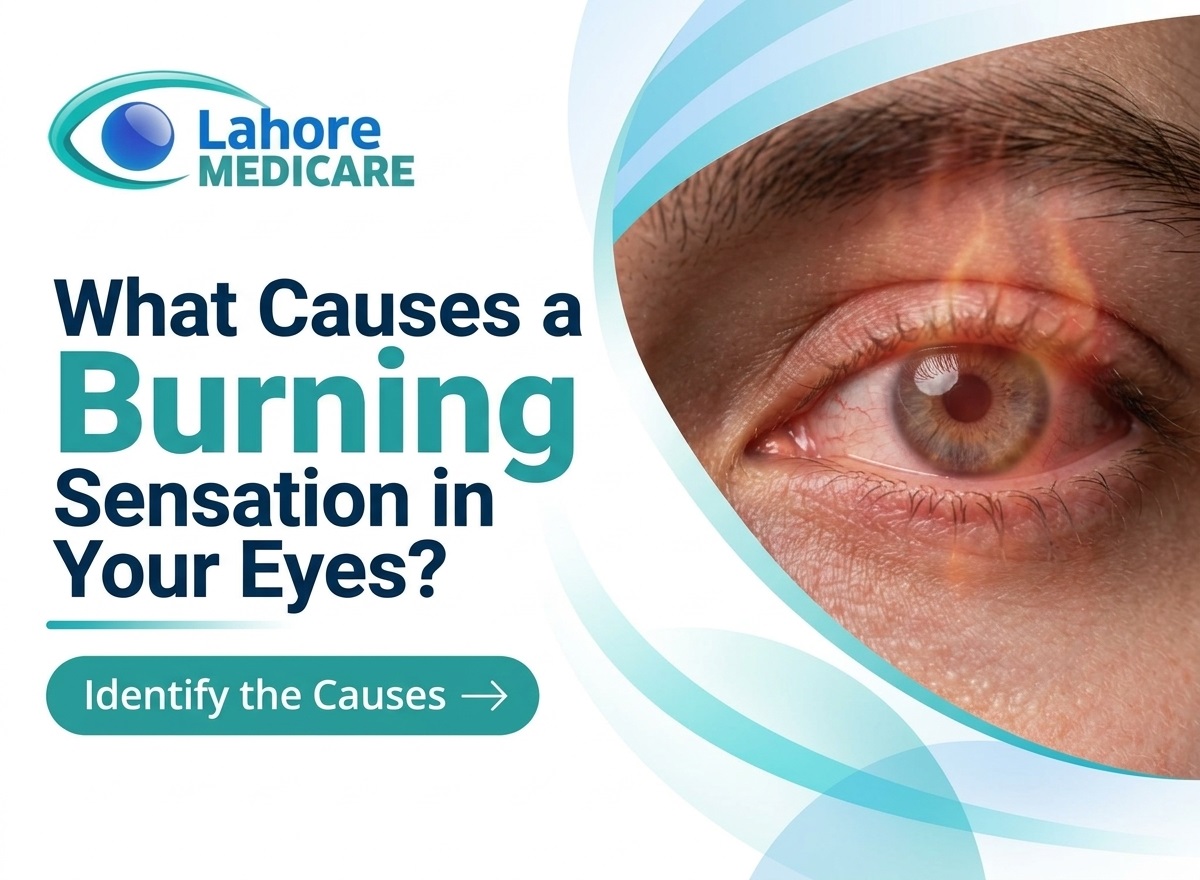
A sudden or persistent burning sensation in eyes can be deeply uncomfortable and concerning. It often feels like a stinging, sharp prickling, or heat on the surface of the eyeball, making it difficult to keep your eyes fully open or focus on daily tasks. While a brief sting might occur after stepping into a dusty street or chopping onions, ongoing discomfort usually indicates that the protective front surface of your eye the cornea and conjunctiva is under stress.
Understanding why your eyes sting requires examining environmental exposure, daily visual habits, and underlying tear film health. Because the human eye relies on a smooth, constant layer of moisture for protection, any disruption to this balance leads directly to irritation and surface inflammation.
Understanding the Causes of Burning Eyes
The eye’s outer surface is filled with sensitive nerve endings. When these nerve fibers are exposed to harsh air, irritating compounds, or friction from lack of lubrication, they send strong pain signals to the brain. Several common medical and environmental conditions trigger this response.
Dry Eye Syndrome and Tear Evaporation
The most frequent cause of persistent stinging is dry eye syndrome. Tears are not simply water; they are a complex mixture of water, oils, and mucin. When the tiny glands along your eyelids (meibomian glands) become clogged or inflamed, they fail to produce sufficient oil. Without this protective lipid layer, the water in your tears evaporates rapidly, leaving sensitive corneal nerve endings exposed to dry air and friction every time you blink.
Environmental Irritants and Urban Pollution
Living in urban centers across Pakistan exposes your eyes to airborne dust, automobile exhaust, industrial smog, and chemical fumes. Environmental pollutants settle directly onto the ocular surface, triggering localized inflammation and an acute burning feeling. Indoor environments can be equally challenging—direct airflow from overhead ceiling fans, dry air conditioning in hot summers, and gas room heaters during cold winters all accelerate tear evaporation.
Seasonal Allergies and Allergic Conjunctivitis
Allergies are another major trigger for stinging and watery eyes. When pollen, dust mites, pet dander, or mold spores come into contact with the eye, immune cells release histamines. This chemical release causes blood vessels in the conjunctiva to swell, producing a combination of intense itching, redness, tearing, and burning. Unlike simple dry eye, allergic irritation usually affects both eyes simultaneously and flares up during specific seasons.
Blepharitis and Eyelid Inflammation
Blepharitis is a chronic condition characterized by inflammation of the eyelids, typically near the base of the eyelashes. It occurs when tiny oil glands become clogged, leading to bacterial overgrowth, flaking skin, and irritation along the lid margins. This oil deficiency causes the tear film to break down quickly, leading to constant stinging, gritty sensations, and red, swollen eyelids. Unmanaged blepharitis and chronic lid inflammation are frequently associated with more complex ocular diseases and conditions that require ongoing clinical care.
Digital Eye Strain and Screen Wear
Extended periods spent staring at smartphones, computers, or televisions dramatically reduce how often you blink. Under normal circumstances, a person blinks around 15 to 20 times per minute, spreading fresh moisture across the cornea. During dedicated screen focus, blinking drops to less than half that rate. This extended period between blinks causes localized dry spots to form on the corneal surface, culminating in a sharp burning feeling by mid-afternoon or evening.
Differentiating Symptoms: Burning vs. Other Eye Discomforts
Because different eye issues require different management strategies, recognizing how your symptoms present can help pinpoint the primary trigger.
| Associated Symptoms | Likely Primary Cause | Common Triggers |
| Burning + Intense Itching + Watery Discharge | Allergic Conjunctivitis | Pollen, dust mites, pet hair, seasonal changes |
| Burning + Gritty Sensation + Fluctuating Vision | Dry Eye Syndrome | Screen use, ceiling fans, low humidity, air conditioning |
| Burning + Flaky Eyelids + Red Lid Margins | Blepharitis / Meibomian Gland Dysfunction | Clogged lid glands, skin conditions like rosacea |
| Burning + Sharp Pain + Light Sensitivity | Corneal Abrasion or Chemical Contact | Foreign particles, splash injuries, harsh soaps |
Immediate Home Care and Prevention Tips
While severe or long-lasting irritation requires professional evaluation, simple immediate steps can help soothe surface discomfort and protect your tear film.
Flush the Eye with Safe Solutions
If your eyes sting after exposure to dust, smoke, or mild airborne irritants, flush them gently using sterile saline or preservative-free lubricating drops. Avoid using tap water directly in your eyes, as unsterilized water contains microscopic organisms and minerals that can irritate delicate tissues further.
Use Warm Compresses
For burning caused by clogged eyelid glands or dry eye, apply a clean, warm, damp washcloth over your closed eyelids for five to ten minutes. The heat helps soften hardened oils within the meibomian glands, allowing natural oils to flow back into your tear film and slow down evaporation.
Adjust Your Daily Environment and Screen Habits
Position fans and air conditioning vents away from your face, especially when sleeping. If you spend long hours on digital devices, follow the 20-20-20 rule: every 20 minutes, take a 20-second break and look at an object 20 feet away. Consciously making full, firm blinks during screen breaks ensures moisture stays evenly distributed.
When to Seek Professional Medical Care
A temporary burning sensation that resolves after resting or applying artificial tears is usually not dangerous. However, persistent stinging that interferes with your daily life warrants a complete ocular examination.
When conservative measures fail to provide relief, advanced clinical diagnostics can isolate the exact source of tear deficiency or lid dysfunction. Ophthalmologists can perform specialized in-office diagnostic and therapeutic procedures designed to unblock oil glands, stabilize the ocular surface, and restore long-term visual comfort.
If your symptoms are accompanied by severe pain, excessive discharge, sudden blurring, or sensitivity to light, consulting qualified eye specialists in Lahore is essential to rule out corneal infections or deeper structural issues.
At Lahore Medicare, our clinical team provides thorough ocular evaluations to help patients across Pakistan identify the root causes of eye irritation and maintain clear, comfortable vision.
Frequently Asked Questions
What is the most common cause of a burning sensation in the eyes?
Dry eye syndrome is the most common cause. When your eyes do not produce enough tears or when tears evaporate too fast, the front surface of the eye loses its protective layer, leading to stinging and irritation.
Why do my eyes burn when I close them at night?
Eyes often burn when closed if they have become severely dried out throughout the day. When you close your eyelids over a dry corneal surface, friction between the lid and the dry surface causes a temporary stinging sensation.
Can eye strain cause my eyes to sting?
Yes. Prolonged screen use or reading without proper light causes your blink rate to drop dramatically. This leads to dry patches on the corneal surface, resulting in a distinct burning sensation after hours of focused visual work.
Are tap water flushes safe for burning eyes?
No, flushing your eyes with plain tap water is not recommended. Tap water contains small amounts of chlorine and microscopic organisms that can disturb your natural tear chemistry and increase the risk of corneal infections. Always use sterile saline or preservative-free artificial tears.
When should I see an eye doctor for burning eyes?
You should schedule an eye exam if the burning sensation persists for more than a few days, does not improve with lubricating eye drops, or is accompanied by severe redness, discharge, pain, or blurred vision.