
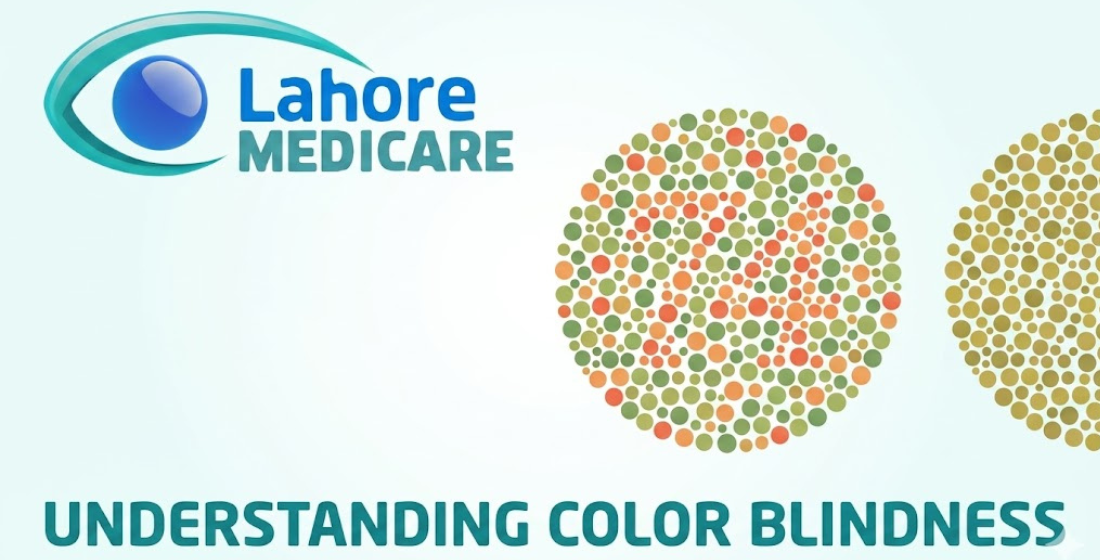
The human eye is an incredible organ, capable of distinguishing millions of subtle variations in light and shade. However, for a significant portion of the population, the world does not appear in such a broad spectrum. When someone mentions they are color blind, the common misconception is that they live in a world of black and white, like an old film. In reality, the vast majority of people with this condition see colors quite vividly; they simply struggle with specific parts of the rainbow. Understanding the mechanics of how we perceive light helps explain why some individuals find it nearly impossible to tell the difference between a ripe red apple and a green leaf.
The Biological Foundation of Color Perception
At the back of your eye lies the retina, a thin layer of tissue that acts much like the sensor in a digital camera. Within this tissue are light-sensitive cells called cones. These cells are the architects of our color vision, specifically tuned to sense different wavelengths of light. Most people have three types of cones that correspond to red, green, and blue. When light hits these cells, they send signals to the brain, which then translates those signals into the colors we recognize.
Color blindness is a genetic condition that occurs when there is a fundamental difference in how one or more of these light-sensitive cells respond to incoming light. If the sensitivity in even one cone type is off, the brain receives overlapping or “muddy” information. For many in Pakistan, this condition goes unnoticed until a child begins school and struggles with color-coded learning materials. Because the condition is often present from birth, those affected have no way of knowing that their version of “green” might look completely different to someone else.
Common Types of Color Vision Deficiency
Not everyone with a color deficiency experiences the world in the same way. The inability to recognize specific colors is usually categorized by which cone cells are malfunctioning. By far the most common struggle involves distinguishing between reds and greens. For these individuals, both colors may appear as a dull, brownish-yellow, making tasks like interpreting traffic lights or reading colored charts a learned skill rather than a natural intuition.
While red-green deficiency is the most prevalent, others find it difficult to separate blues from yellows. This is considerably rarer but equally impactful on daily life. In the most extreme and rarest cases, a condition called monochromatism occurs. This is the only form of true color blindness where a person cannot see any color at all, perceiving the world only in shades of black, white, and gray. These variations are why a professional diagnosis at Lahore Medicare is essential for anyone suspecting a shift in their visual perception.
Who is Most Likely to be Affected?
Research into ocular genetics shows a clear disparity in who is affected by these conditions. Color vision deficiency is far more common in men than in women. Statistically, various kinds of color blindness affect roughly 8% of men, while less than 1% of women experience the same issues. This is because the genes responsible for the most common types are linked to the X chromosome. Since men only have one X chromosome, a single inherited gene from their mother is enough to cause the condition. Women, having two X chromosomes, usually have a functional “backup” gene that prevents the deficiency from manifesting.
Identifying the Symptoms Early
In many cases, the symptoms are so slight that they may not even be noticed until adulthood during a routine workplace screening. However, parents are often the first to observe signs in young children. Common symptoms include a clear difficulty distinguishing between colors that others identify easily, or an inability to see different shades and tones of the same color. A child might consistently use the “wrong” colors in a drawing coloring a sun green or grass purple not out of creativity, but because those are the hues they truly see.
If you or your child are experiencing these visual gaps, exploring the various procedures of treatment and diagnostic tests can provide much-needed clarity. While the primary cause is genetic, it is important to remember that certain eye diseases or injuries can also lead to acquired color vision issues later in life.
Managing Life with Color Blindness
It is important to be direct: there is currently no known cure for genetic color blindness. Because the issue lies in the physical structure or sensitivity of the cone cells, it cannot be “fixed” with surgery or medication. However, this does not mean there are no options for those affected. Most color-blind people have vision that is completely normal in all other respects, such as clarity and depth perception.
For those who need assistance for professional or personal reasons, contact lenses and glasses are available with specialized filters designed to help with color deficiencies. These filters don’t “cure” the eye, but they shift the wavelengths of light so the wearer can more easily tell colors apart. For most, simple adaptation methods are all that is required to live a full, productive life. Understanding the specific nature of your Color Blindness through professional testing is the best way to determine which adaptations will work best for your lifestyle.
Frequently Asked Questions
Can color blindness be cured with surgery?
Currently, there is no surgical procedure to cure genetic color blindness. It is caused by a lack of specific photopigments in the retina’s cone cells, which cannot be replaced or repaired through modern surgical methods.
Why is color blindness more common in males?
The condition is typically linked to the X chromosome. Since males have only one X chromosome, they are more susceptible to inheriting the gene, whereas females have a second X chromosome that often compensates for the deficiency.
Can you become color blind later in life?
Yes. While most cases are genetic, acquired color vision deficiency can happen due to aging, trauma to the eye, or secondary conditions like cataracts, glaucoma, or certain side effects from specific long-term medications.
Do color-blind people see in black and white?
Very few do. Most people with color vision deficiency see colors but confuse specific ones, like red and green. Only a very small group with monochromatism sees the world exclusively in black, white, and shades of gray.
How do doctors test for color blindness?
The most common method is the Ishihara Plate test, which uses circles made of colored dots that hide a number. People with a deficiency will see a different number or no number at all compared to those with normal vision.
Can color-blind people drive in Pakistan?
Yes, most color-blind individuals can drive safely. They learn to identify traffic lights by their position (red on top, green on bottom) rather than relying solely on the hue of the light itself.
Are there glasses that fix color blindness?
Specialized glasses with optical filters can help enhance the contrast between colors, making it easier to distinguish them. However, they do not provide “normal” color vision or cure the underlying condition.
Does color blindness affect career choices?
It can. Certain professions that require perfect color perception such as being a commercial pilot, an electrician, or certain roles in graphic design may have restrictions for those with severe color deficiencies.
Is color blindness a disability?
It is generally considered a minor vision impairment rather than a disability. Most people adapt easily using environmental cues, though it may require specific considerations in educational and professional settings.
Can a child grow out of color blindness?
No. Since genetic color blindness is a structural difference in the retina’s light-sensitive cells, it remains constant throughout a person’s life. It does not get better or worse as the child matures